Introduction to the Mystifying Origins of Ifugao
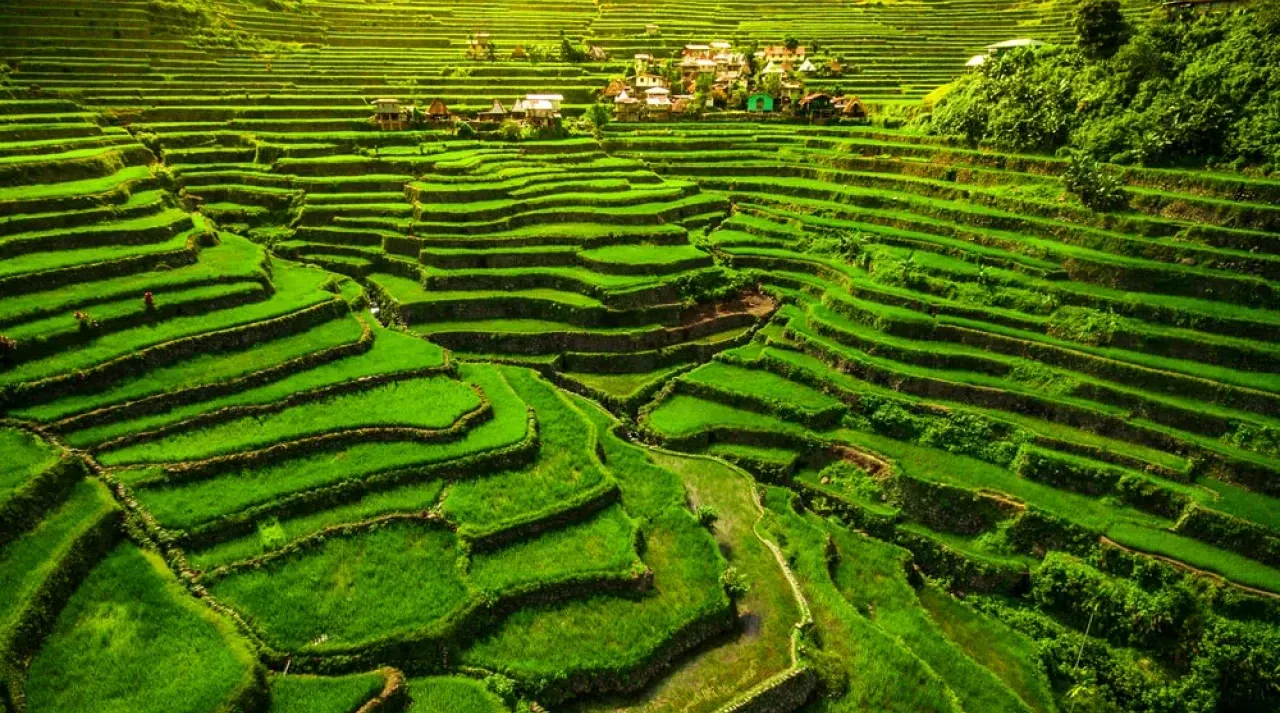
In the tapestry of diverse cultures that color the global landscape, the Ifugao stand as luminaries, renowned for their unparalleled rice terraces etched majestically into mountainsides—a spectacle revered by anthropologist Franklin Barton as surpassing the grandeur of the Suez and Panama Canals combined.
Yet, their distinction transcends the terraces. The Ifugao epitomize boundless craftsmanship within the Filipino tapestry. Their prowess extends intricately to woodworking, weaving, and basketry, weaving threads of creativity into the very fabric of their existence. Now get ready as we learn its compiling history.
Early History
 |
| Ifugao Warrior Boar Tusk Necklace |
The essence of Ifugao traditions orbits the tinawon rice cycle (annual rotation), featuring five stages entwined with elaborate ritual ceremonies. These rituals, spanning a year-long homage to rice, involve sacrificial offerings to honor deities and celebrate life's milestones. The town of Kiangan holds historical significance, intertwining with the origin tales of the Ifugao people. Early Ifugao life, illuminating their cultural practices, pottery, and interactions with lowland groups. Also earlysettlers have a reliance on wild game, not only as food but they also polished bone rings of animal bones as jewelry and symbols of social status. They majority planted taro before to the eventual dominance of rice cultivation, gradually came to represent the cultural core of Ifugao society.
Spanish Era
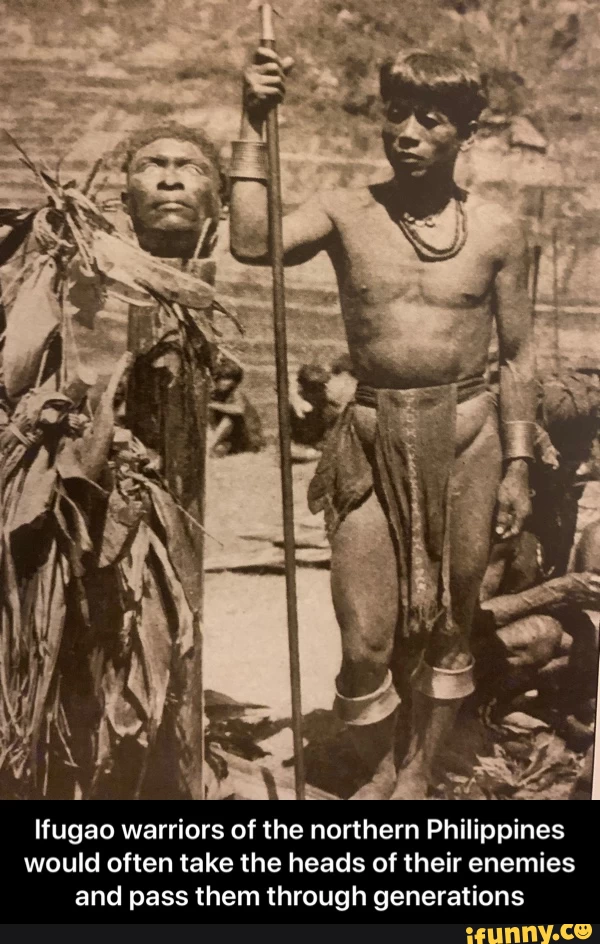
Migration to the highlands emerged as a sanctuary against the shackles of colonial control, safeguarding the essence of Ifugao resilience. The Ifugao people have demonstrated effective resistance by fortifying their political and economic capacities. A transition to wet-rice production was caused by the Spanish invasion and population growth.
During the American Rule and Japanese Takeover
The American colonial troops initiated the integration of Cordillera communities into the larger Filipino nation, simultaneously perpetuating their identity as cultural minorities. This assimilation commenced with the arrival of American schoolteachers and Protestant missionaries, shaping a complex narrative of inclusion and distinctiveness.
Ifugao's separation from Nueva Vizcaya in 1908, coupled with its annexation to the newly constituted Mountain Province, typified a chapter of administrative restructuring orchestrated by the Philippine Commission under Act No. 1876.
Amid World War II's Japanese occupation, the Ifugao people bore the brunt of violence, hunger, and displacement, with the highlands becoming a battleground. General Yamashita's surrender to U.S. forces at Kiangan in 1945 marked a pivotal moment, signifying the conclusion of this harrowing chapter.

Comments
Post a Comment